
A practical guide to Rochdale community news for legal readers
Clear comparison of Rochdale community news sources for legal professionals, highlighting how local reporting affects rights, regulations, and case work.

This guide compares Rochdale community news sources from a legal angle, showing what to verify, what flags to watch for, and how local reporting can affect cases and regulatory understanding. You’ll learn how to assess credibility, jurisdictional relevance, and timeliness when using community reporting in legal research. The aim is to help you find reliable local insights without getting bogged down by noise or bias.
First, identify the kind of legal issue at stake—civil, criminal, or administrative—and match it to the most useful local source. Then check for consistency with official records, court notices, or council decisions. Finally, note any potential conflicts of interest or gaps in coverage that could affect your strategy.
The following sections present a practical framework: basics, how to compare sources, options for use in legal work, and common pitfalls. Each part includes concrete steps, examples, and checks to apply before citing Rochdale community news in a file or filing.
- Compare Rochdale community news sources with official records to verify facts and dates.
- Use local reporting to spot extensions or timelines that matter for regulatory or rights-based issues.
- Keep a small, well-organized dossier linking to primary sources for quick reference in legal work.
Basics of local news reliability
Source credibility basics
Start with the publisher’s remit and track record. Look for stated corrections policies, editorial standards, and the presence of a named editor or journalist. Cross-check any major claims against official records when possible, especially dates of events and involved parties. Rochdale community news can sometimes illuminate how local decisions affect residents’ rights, which is useful context for this report.
Consider whether the report cites primary documents, such as council minutes or court filings, and whether those references are verifiable. If a piece relies on anonymous quotes, treat it as a tip rather than a fact. Reliability grows with transparent sourcing and visible accountability.
In practice, build a quick worksheet: note the author, date, sources, and any contradictions with public records. A consistent pattern of cautious language and caveats often signals careful reporting rather than hype.
How local news informs legal work

Using Rochdale coverage for facts
Local stories can illuminate practical timelines that aren’t in formal records, such as notice periods or community decisions that affect residents’ rights. Extract concrete dates and identified stakeholders when those details appear clearly in reporting.
- Record the event, location, and involved parties from the article.
- Add a link or citation to the related public record when found.
- Flag any ambiguities for further verification.
Compare the reported facts with public records to spot discrepancies or omissions. This helps ensure your analysis isn’t anchored to a single source. Use such checks to strengthen arguments or risk assessments.
When a story notes a regulatory change or enforcement action, verify the exact scope and effective date with official documents. Local reporting can flag developments you might otherwise miss.
- Extract dates and parties mentioned.
- Cross-check with official records.
- Note any inconsistencies for follow-up.
Limitations in local reporting
Local outlets may have restricted access or limited investigative resources. This can lead to incomplete narratives or unverified claims that require corroboration from official sources.
Be mindful of timing: early reports can be provisional and later corrected. Do not rely on a single article to establish a legal position; await follow-ups or primary documents.
Use community news to identify issues worthy of deeper search, not as definitive evidence. Treat it as a pointer toward official materials rather than the final word.
Options for legal researchers
Best sources for corroboration
Official council minutes, licensing boards, and regulatory announcements are primary checks. They provide authoritative dates, decisions, and procedural details that complement local reporting.
Judicial notices, court calendars, and public registries offer independent verification. Use them to confirm venue, parties, and outcomes referenced in articles.
Local investigative outlets may host archives or source lists; use these cautiously, validating with primary documents before citing in legal work.
- Cross-check each key fact with a primary source.
- Note version or update dates for articles.
- Archive relevant pages for future reference.
| Option | Pros | Cons |
|---|---|---|
| Official records | Most authoritative; precise dates | May lack context or details on process |
| Local journalism | Timely community perspective; practical insights | Potential gaps or biases |
| Regulatory notices | Clear statuses and actions | Might be hard to locate or interpret |
Legal implications of local reporting
Local reports can influence community rights, nuisance actions, or housing decisions by shaping perceptions and timely awareness. Document how such reporting aligns with statutory deadlines or due process.
When coverage touches enforcement or compliance matters, identify the precise legal trigger and the consequences described. This helps frame questions for counsel or clients.
Use local reporting to anticipate issues in advisory work, such as community engagement requirements or consultation timelines that affect regulatory processes.
The article may describe a subset of actions or an informal resolution that isn’t legally binding.
Pitfalls to avoid with Rochdale news

Common misinterpretations
Avoid assuming a local report has complete jurisdictional scope. The article may describe a subset of actions or an informal resolution that isn’t legally binding.
Be cautious of sensational language that exaggerates impact. Cross-check with formal notices to confirm the scale of consequences.
Guard against overreliance on a single source when the issue overlaps multiple agencies or records. Seek corroboration across official documents.
- Do not treat quotes as legal conclusions.
- Check the formal enforcement or decision status.
- Seek multiple sources for a fuller picture.
Practical checks before citing
Before citing Rochdale coverage, verify the piece’s date, byline, and any referenced documents. This helps ensure the information remains relevant and accurate as records evolve.
Consider the article’s audience and purpose. Community news may address neighborhood concerns rather than formal legal processes, which affects how you use it.
Document your reasoning for using local reporting in a client file. Clear notes improve transparency and future review.
Deeper dives into local sources
Local bulletin boards and public records
Start with official channels such as council minutes, court calendars, and statutory notices. These sources provide verifiable dates, decisions, and deadlines that underpin legal due diligence. Cross-check news coverage against these records to confirm accuracy and context.
- Rely on official records for reliability
- Cross-check with multiple sources to confirm details
- Track updates as information evolves
Look for corroboration across multiple local outlets to identify discrepancies early. Community newsletters and parish notices often fill gaps left by larger outlets, but they require careful evaluation for bias. Document any conflicting details and prioritize primary sources.
Be mindful of timing: some items appear in digest summaries before full reports are published. When this happens, note the provisional status and plan to revisit once the full article is available to avoid misinterpretation.
- Cross-check dates with official calendars
- Note any discrepancies and flag for follow-up
- Prioritize primary records over summaries
Choosing the right approach

Assess the relevance to cases
Evaluate whether Rochdale community developments affect ongoing or potential cases. Consider issues like public notices, housing, or local governance that might impact rights or obligations. Use a checklist to decide if a story deserves deeper legal analysis.
- Imposing legal interpretation on trivial local items
- Skipping primary sources in favor of summaries
- Overlooking procedural relevance to a case
Map potential legal angles to each source you consult—think disputes, exemptions, or procedural requirements. This helps you frame questions for editors and clients and avoids chasing tangents. Keep the focus on practical implications rather than general interest.
Determine the preferred format for your outcome, whether a brief for a case file or a longer explainer for clients. Align tone and level of detail with the audience’s legal literacy, avoiding jargon where it isn’t necessary.
- Assess legal relevance quickly
- Map legal angles to sources
- Choose the right format for the audience
Common decision paths
Decision criteria for inclusion
Establish criteria to decide whether a Rochdale story should be reported in a legal context. Consider public interest, potential rights violations, and precedent-setting implications. A clear rubric helps editors and researchers align on what constitutes a warranting article.
Develop a standard intake form for legal notes: parties involved, dates, statutes, and potential liabilities. This makes follow-up more efficient and ensures consistency across stories that touch similar issues.
Set timelines for review and publication to avoid delays in legal matters. Revisit decisions as new information becomes available to keep coverage accurate and timely.
- Define public-interest thresholds
- Use a standardized intake form
- Maintain timely review cycles
Final checks before filing
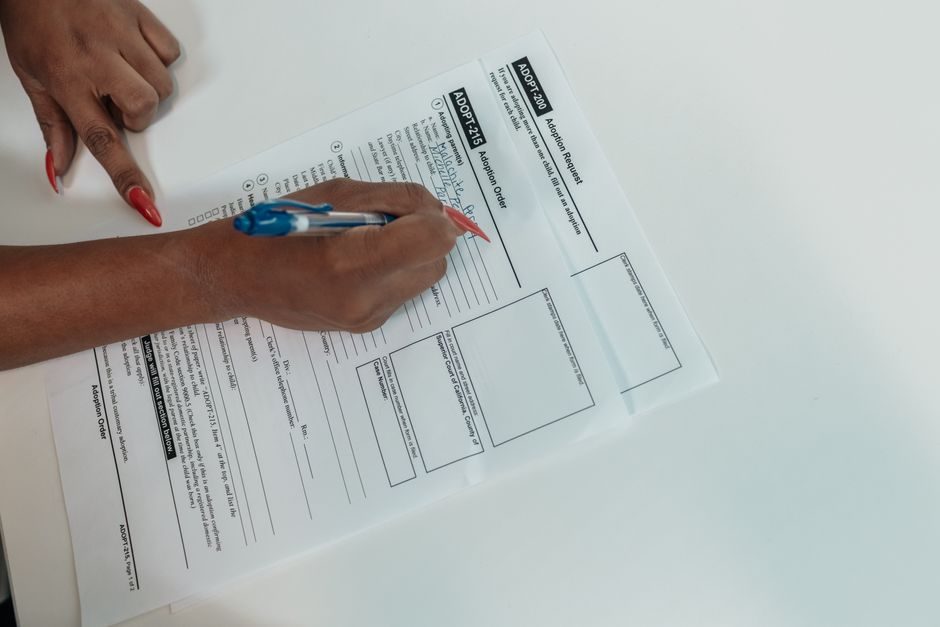
Verification and documentation
Run a final verification against primary sources before filing any legal document or client-facing memo. Confirm dates, official statements, and relevant statutes to reduce the risk of errors. This step protects both your credibility and your client’s position.
Include a concise summary of implications for the client, with concrete actions and deadlines. A well-structured memo helps readers understand what matters and what they should do next.
Archive all references with clear annotations so colleagues can trace the reasoning later. A robust audit trail supports accountability and reduces repetition.
- Verify against official records
- Provide actionable steps for clients
- Maintain a clear audit trail
Frequently asked questions
What makes Rochdale local news relevant to legal work?Local developments can affect rights, obligations, and procedural timelines that influence case strategy and client counseling. Understanding who is affected helps you anticipate disputes and prepare informed guidance.
How should I treat conflicting local reports?Start with primary sources and note ambiguities. If discrepancies persist, seek clarifications from official bodies or courts and document the path to resolution for your file.
What is the best way to use this in a filing?Use verified dates and clear implications for client matters. Attach a short appendix summarizing legal relevance and next steps, with references to official records.
How do I balance risk and usefulness in Rochdale updates?Prioritize updates with direct legal impact, verify with primary sources, and note any uncertainties. Share only what clarifies strategy or client rights.
Practical next steps for legal readers
In Rochdale news, the practical value for legal work lies in verified facts, timelines, and context that affect rights and duties. Build a routine to verify against official records and map each item to potential legal implications.
When in doubt, document your process and preserve a clear audit trail. This supports credibility in filings and client communications while helping teammates reproduce outcomes.